Achieving Harmony: Blending Softscaping and Hardscaping Elements May 02, 2026
To initiate, it’s crucial to comprehend the fundamental differences between softscaping and hardscaping. Softscaping refers to the living, horticultural components of your landscape—everything from lush lawn grass and blooming flowers to shrubs and trees. These elements bring color, texture, and life to a space. On the other hand, hardscaping encompasses the non-living features, such as pathways, patios, retaining walls, and water features. These structures provide durability and form while guiding the flow of your landscape design.
The key to achieving harmony in landscaping lies in balancing these elements, and it begins with careful planning. Start by envisioning the ultimate purpose of your space. Is it a quiet place for relaxation, an entertainment area, or perhaps a beautiful backdrop for a garden? Identifying the primary goal will help dictate the softscaping plants that complement the sturdiness and functionality of your hardscape features.
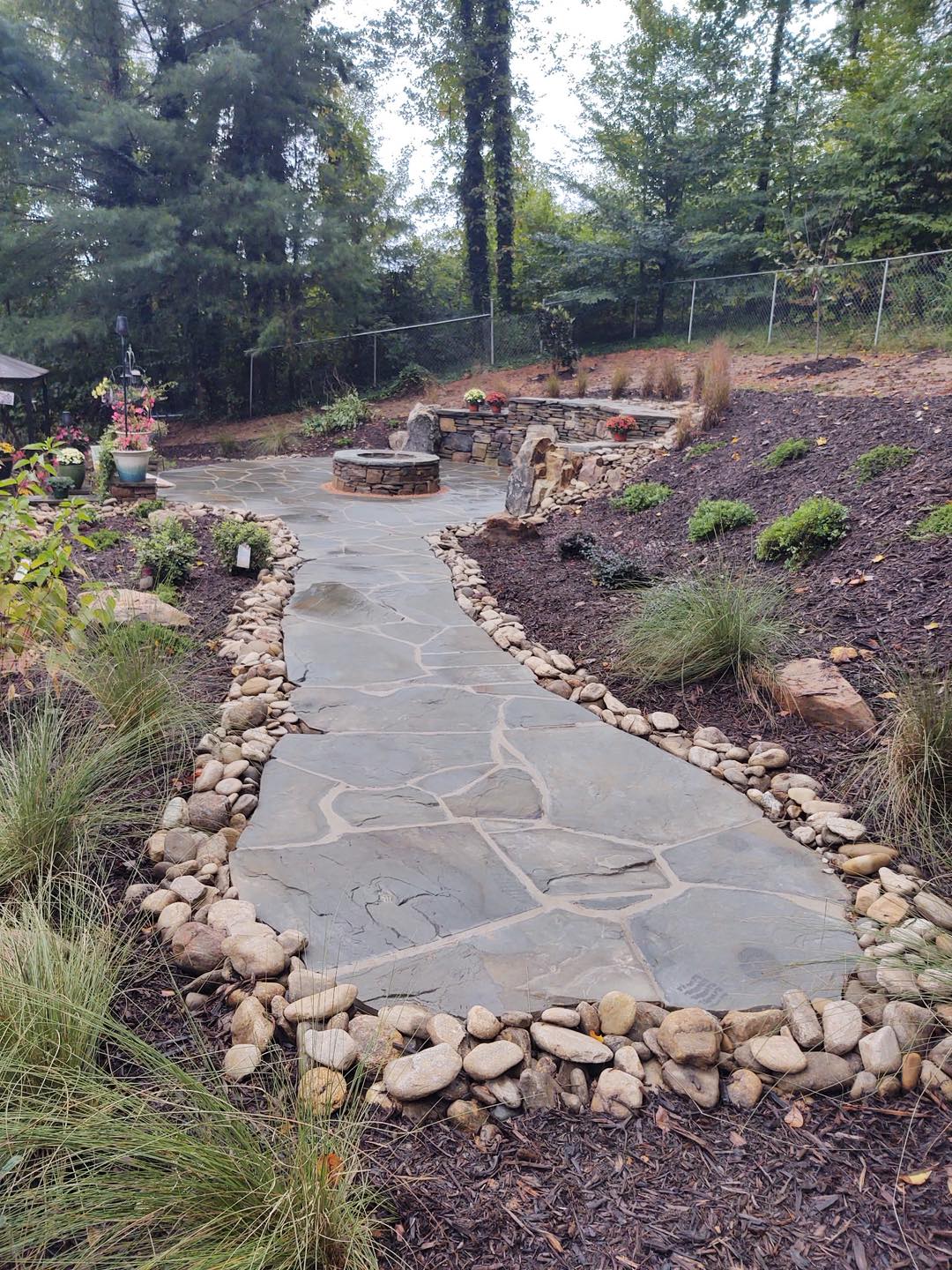
In practical terms, consider utilizing hardscaping elements to create structure and define spaces within your yard. For instance, a well-laid stone patio can serve as a focal point, offering a spot for outdoor dining or a fire pit. Surrounding this area with vibrant perennial borders and lush greenery softens the stone's rigidity and adds a welcoming touch. Additionally, well-placed pathways not only provide ease of movement throughout your garden but also guide the eye, acting as visual tunnels that lead to softer planting displays.
Moreover, incorporating vertical dimensions can enhance both appeal and function. Raised planters and retaining walls can introduce diverse height levels, creating layers in your landscape. These structures support softscaping elements like cascading blooms or tall ornamental grasses, adding depth and a sense of discovery as you wander through the garden area.
Sustainability should not be overlooked when melding softscaping with hardscaping. Utilize native plants and trees, which are adapted to the local climate and soil conditions, reducing the need for excessive watering and maintenance. Similarly, choose permeable hardscaping materials that allow rainwater to seep back into the ground, preventing runoff and promoting drainage.
Light is another harmonizing factor that enhances the aesthetic and safety of your landscape. Strategically placed lighting along pathways and around key softscaped areas can highlight their features while ensuring safe navigation when daylight fades. Simple touches like uplighting a majestic tree or spotlighting water features can create dramatic visual effects and mood enhancements.
In conclusion, successfully blending softscaping and hardscaping elements results in a landscape that offers both beauty and utility. At Pisgah Property Services LLC, we strive to tailor each project to reflect personal style while ensuring environmental considerations. Our goal is to help you create an outdoor haven that thrives in harmony, offering enjoyment for years to come. Whether you seek assistance in planning or execution, our team is dedicated to bringing your vision to fruition, ensuring a perfect balance between nature and structure in your landscape design.
/filters:no_upscale()/filters:format(webp)/media/5b4e7e3f-2764-4437-a02e-0283d24da4e6.jpeg)