Choosing the Right Materials for a Sustainable Landscape Design Mar 06, 2026
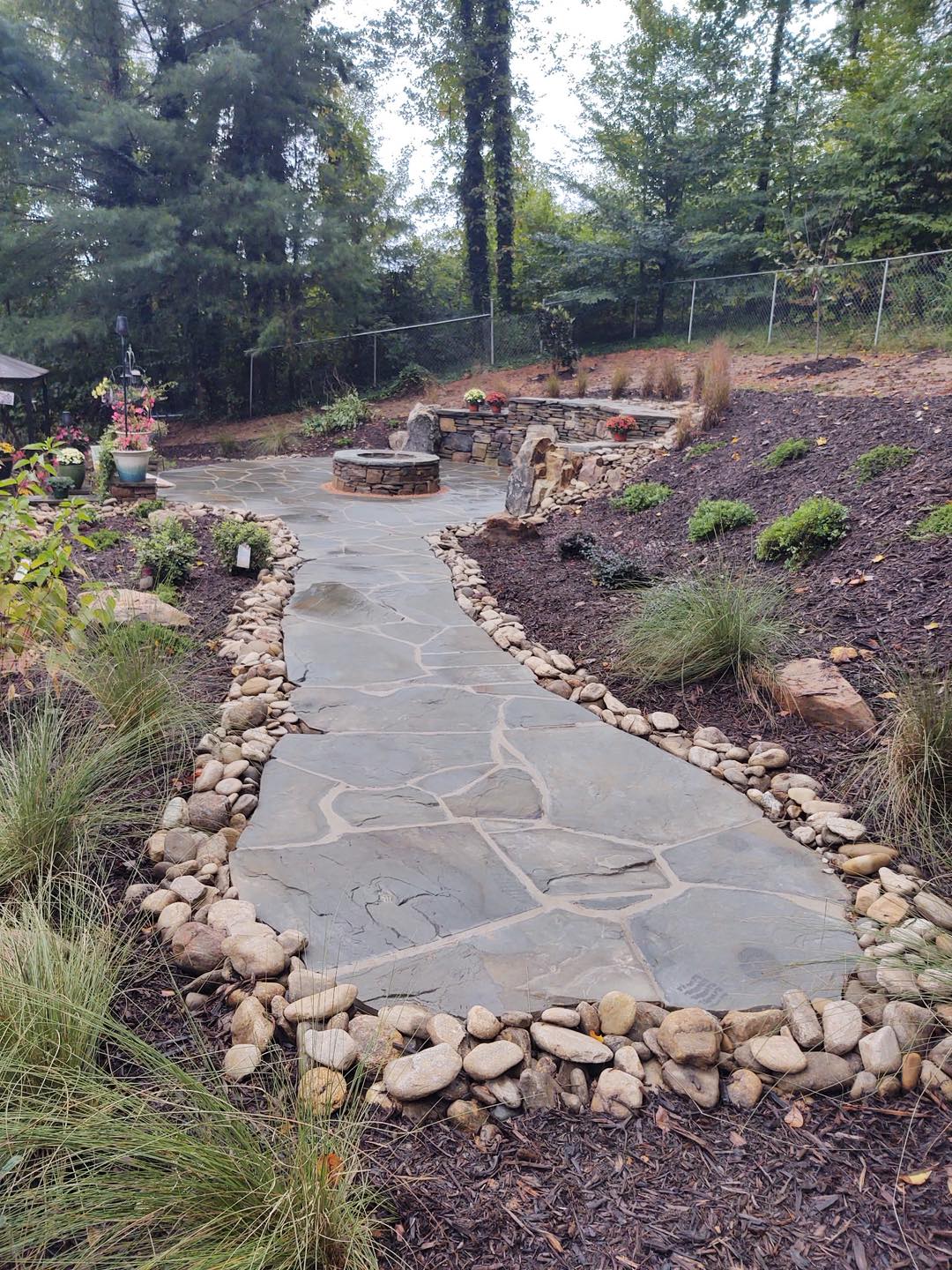
To begin with, one of the foremost aspects of a sustainable landscape is the selection of local and natural materials. By opting for locally sourced materials, you reduce the carbon footprint associated with transportation and support the regional economy. Native stones and indigenous plant life are excellent choices, as they are well-suited to the local climate and soil conditions, requiring less maintenance and irrigation.
Recycled materials also play a crucial role in eco-friendly landscaping. Reclaimed wood and recycled metal and plastic can be creatively incorporated into your landscape design, providing both durability and a unique aesthetic appeal. Gravel and concrete made from recycled sources are excellent alternatives for building walkways and patios, offering longevity and reducing the demand for virgin materials.
When it comes to plants, native species are your best allies in crafting a sustainable landscape. Not only do they thrive in local soil and climate conditions, but they also support local wildlife and biodiversity. Choose drought-resistant varieties to minimize water consumption. Pisgah Property Services LLC recommends mixing a variety of perennials that bloom in different seasons, creating a vibrant and ever-changing tapestry of colors throughout the year.
The type of ground cover you use can also contribute significantly to the sustainability efforts. Traditional lawns, while aesthetically pleasing, require significant amounts of water and maintenance. Consider alternatives like clover or creeping thyme, which are low-maintenance, require less water, and provide a rich green carpet that is both appealing and hardy.
In terms of hardscaping, using permeable materials such as pavers or gravel instead of traditional concrete can alleviate water runoff issues, allowing rainwater to naturally seep into the ground. This not only prevents erosion but also replenishes the groundwater table. Sustainable hardscaping materials often come from recycled or repurposed sources, offering an environmentally friendly choice that doesn’t sacrifice durability or design.
Integration of efficient irrigation systems is another critical aspect of sustainable landscaping. Drip irrigation and soaker hoses direct water precisely where it’s needed, minimizing waste. Installing rainwater harvest systems can further reduce reliance on municipal water and provide a natural source for your landscape during dry spells.
Finally, lighting may not seem significant in terms of material selection, but it plays a substantial role in sustainability. Opt for LED lights with solar power capabilities. These not only last longer but also use less energy, further reducing your landscape’s environmental impact.
In conclusion, designing a sustainable landscape involves conscious decisions about material choices and design techniques. At Pisgah Property Services LLC, we are committed to helping you create landscapes that are as kind to the earth as they are beautiful. By selecting local, recycled, and low-maintenance materials, and by incorporating efficient water and energy solutions, you contribute to a more sustainable future. Contact us today to start your journey towards an eco-friendly outdoor space that you can be proud of.
/filters:no_upscale()/filters:format(webp)/media/5b4e7e3f-2764-4437-a02e-0283d24da4e6.jpeg)