Eco-Conscious Landscaping: How to Make Your Outdoor Space Environmentally Friendly Jun 06, 2026
Begin with Native Plantings. One of the most effective ways to create an eco-friendly landscape is to utilize native plants. Native flora has evolved to thrive in your local climate and soil conditions, reducing the need for excessive watering and fertilizers. In addition, these plants attract local wildlife, such as bees and butterflies, which are crucial for maintaining balanced ecosystems. By choosing native species, you not only conserve water but also support biodiversity in your backyard.
Incorporate Water Conservation Techniques. Sustainable landscaping is all about water efficiency. Consider installing a drip irrigation system, which delivers water directly to the roots and minimizes evaporation. Additionally, collecting rainwater with a simple rain barrel setup can provide an eco-friendly irrigation alternative. Mulching your garden beds not only keeps weeds at bay but also helps retain soil moisture. Selecting drought-tolerant plants can also significantly reduce your water usage.
Opt for Organic Lawn Care Practices. Caring for your lawn without resorting to chemical fertilizers or pesticides can improve soil health and protect surrounding ecosystems. Organic lawn care focuses on soil health, using natural fertilizers and compost to enrich the soil. Moreover, mulching grass clippings can return essential nutrients to the soil. Mowing the lawn at a higher setting encourages deeper root growth, which can make your lawn more resilient to drought and pests.
Enhance Soil Health Naturally. Healthy soil is the foundation of a vibrant garden. Aim to improve the natural structure of your soil through composting, which enriches the soil with essential nutrients and organic matter. This not only minimizes the need for chemical fertilizers but also reduces your contribution to waste by recycling kitchen scraps and yard waste. Furthermore, rotating plant species and integrating crop cover can prevent soil degradation.
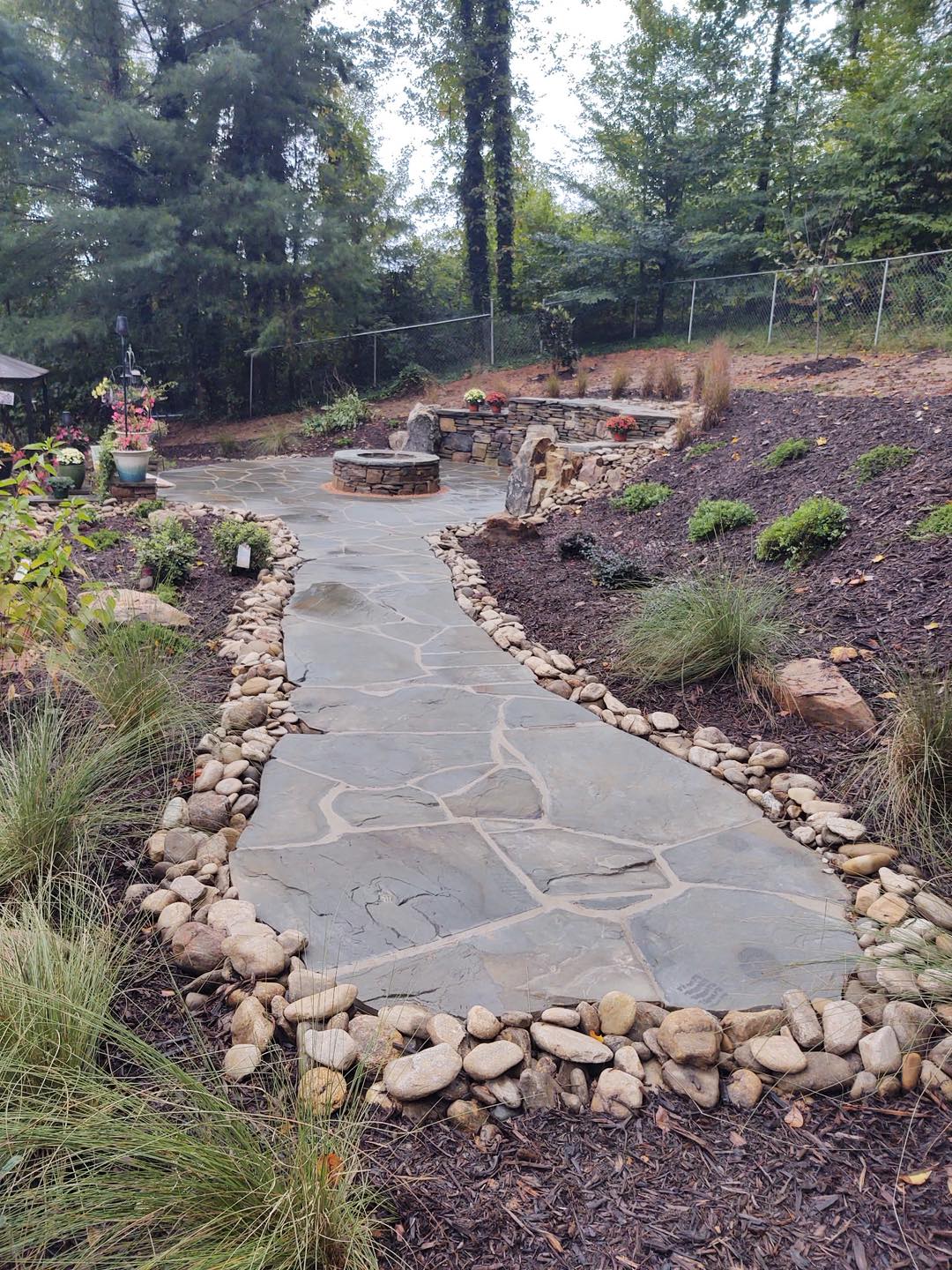
Implement Energy-Efficient Hardscaping. Hardscaping elements, such as patios, walkways, and walls, can be designed with sustainability in mind. Look for locally-sourced, recycled materials like reclaimed wood or stones to minimize your environmental footprint. Permeable pavers are another excellent choice as they allow water to naturally seep into the ground, replenishing groundwater supplies. Using solar-powered lighting fixtures can illuminate your garden while reducing your energy consumption.
Encourage Wildlife Habitats. Building habitats for local wildlife can enhance the biodiversity of your garden. Install birdhouses or bat boxes to provide shelter, and design a small pond or fountain as a water source for various creatures. Avoid using chemical herbicides or pesticides, which can be harmful to beneficial insects and animals. Instead, attract natural predators to control pest populations more sustainably.
This transition to eco-friendly landscaping practices not only enhances the aesthetic appeal of your property but also contributes positively to the environment. By integrating these sustainable techniques, you help preserve natural resources, support local biodiversity, and create a healthier outdoor environment for you and your community. At Pisgah Property Services LLC, we are committed to helping you achieve a greener landscape. Contact us for personalized advice and services tailored to make your outdoor space as environmentally friendly as possible.
/filters:no_upscale()/filters:format(webp)/media/5b4e7e3f-2764-4437-a02e-0283d24da4e6.jpeg)